The Opioid Epidemic
The opioid epidemic is a national catastrophe. Every state and all demographics have been tragically impacted by this crisis.

Author Cooper Smith
What Is The Opioid Epidemic?
The opioid epidemic specifically refers to the growing number of overdose deaths and hospitalizations from opioids, including both prescription and illicit drugs. In recent years, death rates from these drugs have skyrocketed, with 107,941 recorded deaths in 2022 across the US. Many of the recent opioid-involved overdoses are due to the large increase in fentanyl use. Reported deaths involving synthetic opioids (primarily fentanyl) reached 48,422 in 2024.
In November 2022, the US Food and Drug Administration estimated that 6 out of every 10 fake prescription fentanyl pills may contain a potentially lethal dose of fentanyl.
Currently, drug overdose is now the leading cause of accidental death in the United States, largely due to the opioid epidemic. The opioid epidemic first gained notoriety around 2010, but the factors behind it had begun several years earlier.
What Are Opioids?
Opioids are a classification of drugs derived from, or synthesized to mimic, opium. Morphine, the most abundant natural opioid found in opium, was used for years to relieve pain. As medicine advanced, scientists found ways to replicate the effects of morphine to make it stronger or weaker depending on the need. Some opioids, like methadone, were developed due to a scarcity of morphine, while others, like heroin, were made in an attempt to make less addictive drugs. Today, opioids are almost synonymous with pain relief.
Examples of common opioids include:
How The Opioid Epidemic Started
Many trace the issue back to the late 1990s. As pharmaceutical companies were looking for new painkillers, they began to push synthetic and semi-synthetic opioids to doctors. The companies would say that the drugs were either less addictive or nonaddictive in comparison to morphine, and that they had no dangerous side effects. Doctors began pushing these drugs, as they saw no repercussions to patients taking them. This growth in the prescription opioid business directly pushed the distribution of opioids to elevated levels that remain to this day, contributing to the epidemic we are now dealing with.
125
million
In 2023, more than 125 million opioid prescriptions were dispensed to American patients.
75
percent
75% of all opioid-related deaths in 2023 involved a synthetic opioid, primarily fentanyl.
8.6
million
In 2023, nearly 8.6 million Americans reported misusing prescription opioids in the past year.
The Prescription Opioid Epidemic
Many of those who become addicted to opioids do so after initially receiving a prescription. The highly addictive nature of these painkillers makes it easy for the human brain to crave more of them. It is only after their prescription ends that many users realize they’ve become dependent on the effects of opioids to function normally. At that point, they are forced to either get clean and endure the pain that comes with the withdrawal symptoms of opioids or look for another means of getting their high. This is often the time where people will turn to illicit drugs. Because prescription opioids are so expensive, users may resort to heroin instead. It is often cheaper, more potent, and easier to locate than what users were taking before. In fact, about 80% of people using heroin started with a prescription to another opioid. After using heroin, 23% of individuals develop opioid addiction.
How The Opioid Epidemic Is Different From Other Drug Problems
The number of people dying of accidental opioid overdose eclipses overdose fatalities of every other drug combined, which is why the term “opioid epidemic” was coined. Perhaps the most striking part of this is how many deaths come from prescription drugs; the willingness of doctors and pharmaceutical companies to promote and prescribe medication they know to be addictive and, often, deadly has been salient. It’s not necessarily those who are using heroin or some other illegal drug who are paying the price. It’s the people who are taking the medication they received from a medical professional.
112
million
In 1992, before the major push for opioids from pharmaceutical companies, doctors wrote 112 million opioid prescriptions.
125
million
By 2023, the number of opioid prescriptions was at 125 million .
Who The Opioid Epidemic Affects
In short, the opioid epidemic affects people in all demographics and from all walks of life, including teens, seniors, veterans, and the LGBTQ+ community. Even those who do not use or abuse opioids can feel the effects of the epidemic if opioid abuse is common in their area or if their loved ones have addiction issues. The economic burden of opioid abuse and the emotional burden put on families of an addicted individual have been devastating.
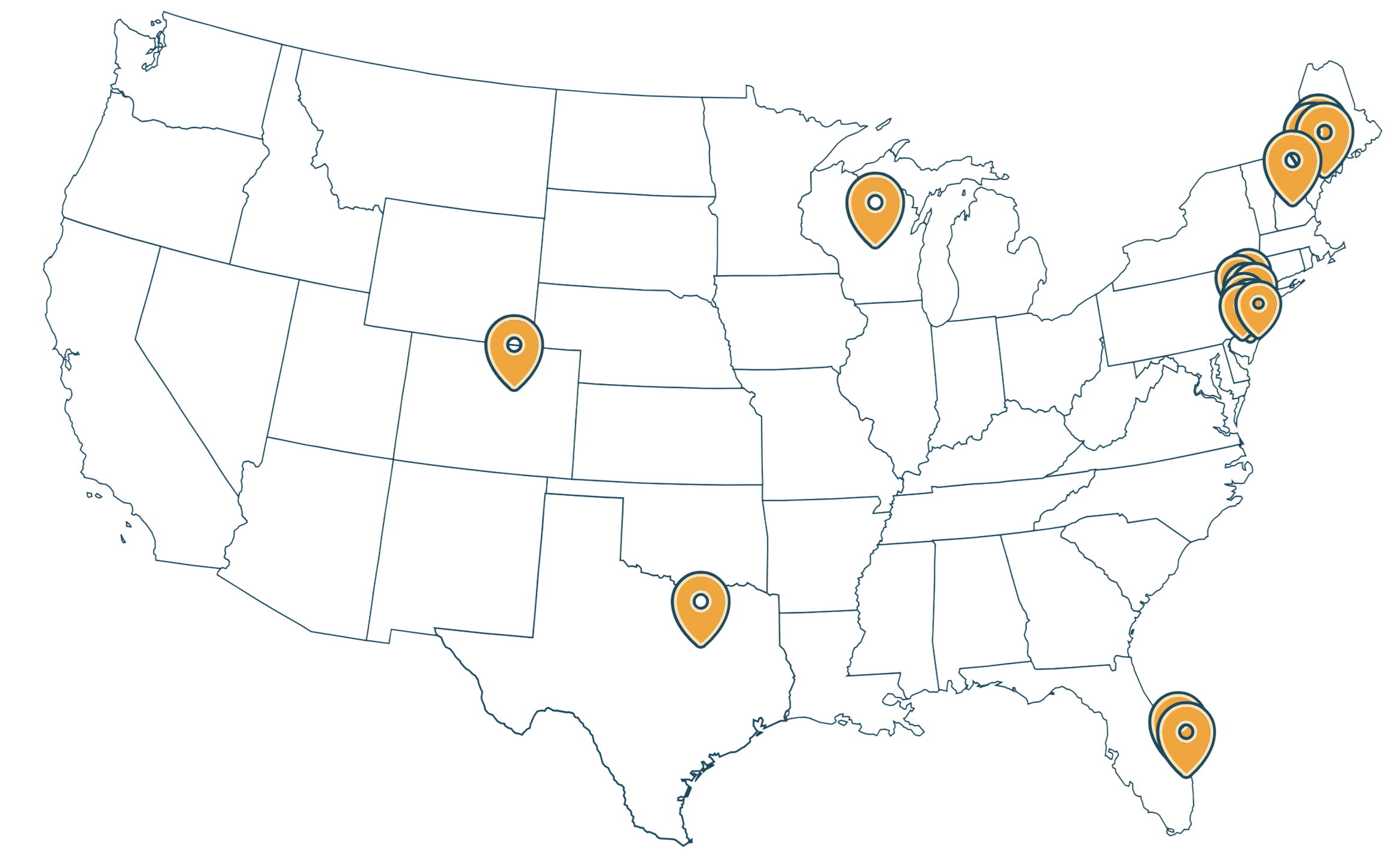
Explore These Featured Centers
What Can We Do?
The opioid epidemic isn’t one person’s problem, and it will take everyone to beat it. Knowing the dangers, signs, and symptoms of opioid abuse can save someone’s life. Talk with your loved ones openly and remove the stigma of addiction. It isn’t something that only happens to the weak. It is a biological reaction that can happen to anyone, with or without their knowledge.
Addiction doesn’t have to be the end; it can be just a detour. If you believe you or a loved one shows the symptoms of addiction and are interested in finding treatment, contact a treatment provider today.