Can I Smoke Cigarettes In Rehab?
Smoking is allowed in many rehabs, but participants must often follow certain rules, like smoking in designated areas.

Author Susanne Reed, PhD
Can I Smoke Or Vape In Rehab?
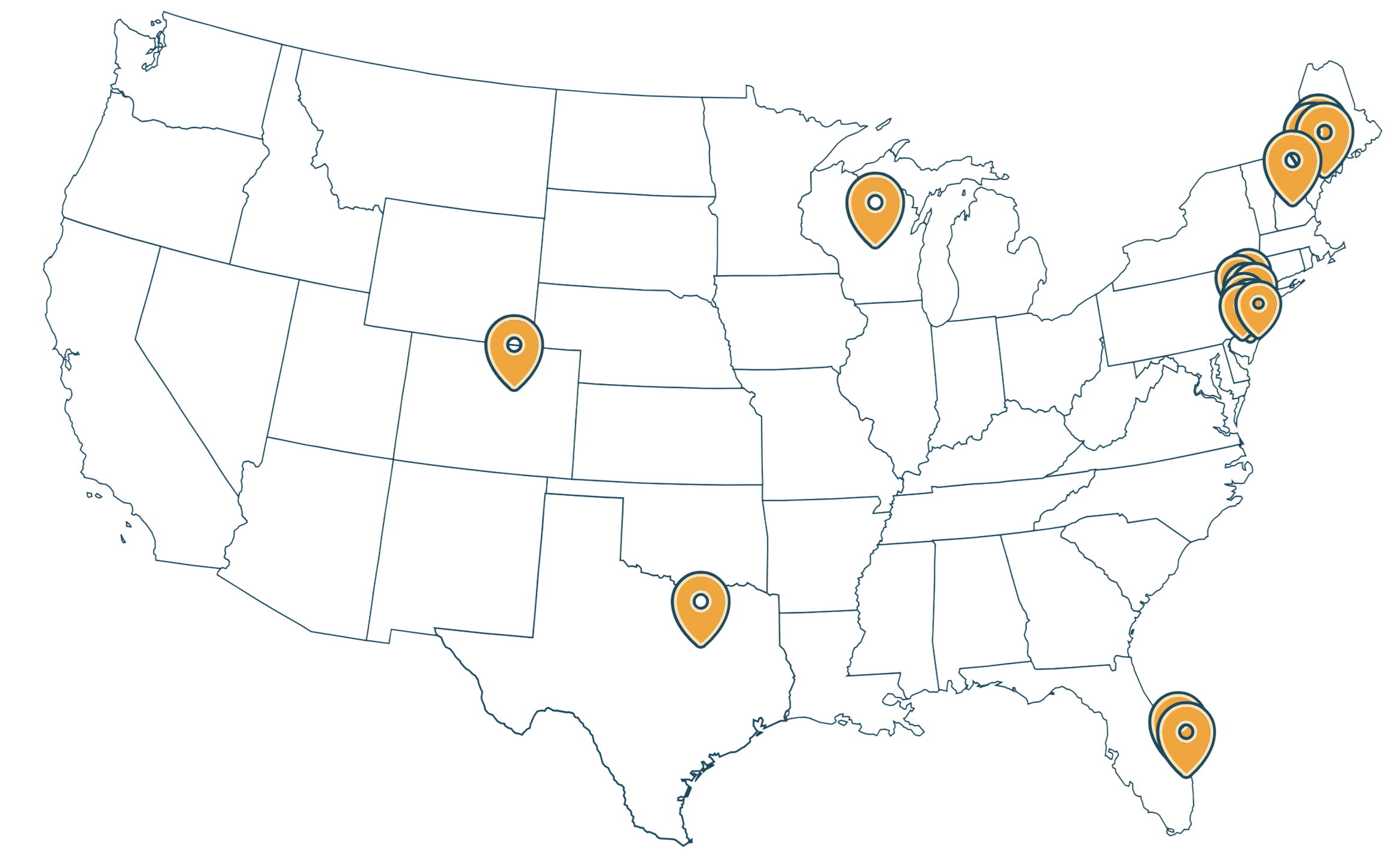
Whether you can smoke cigarettes or vape in rehab depends on the rehab’s smoking policy. In addition, some states have laws regarding smoking that facilities must follow. For example, 19 states prohibit smoking on substance abuse facility grounds, indoor and outdoor, including:
Any facility violating the non-smoking laws can face heavy penalties. Other rehabs allow smoking on the grounds, but not indoors.
This leaves many other states that allow smoking and vaping on rehab premises. Some states that permit vaping indoors include:
Just because the state permits it, however, doesn’t mean the treatment facility allows it. You must check with a rehab to determine their specific rules on cigarettes and vaping.
A rehab smoking policy protects program participants and the facility. For example, you may be required to smoke only during predetermined breaks set by the program staff. They may also require that you smoke or vape in specific areas, like a designated spot outside the facility.
How Do I Get Cigarettes While In Rehab?
Substance use facilities that allow you to smoke or vape typically require you to arrive at the program with unopened, factory-sealed packs or cartons of cigarettes. Your family and friends may bring or send tobacco products to you, but they must also be factory sealed upon arrival. This reduces the opportunities for someone to try to sneak in contraband in an open pack of cigarettes or vaping paraphernalia.
If you are in a long-term treatment program, you may be able to go off-campus at times to shop for personal necessities, like toiletries or special foods. On these trips, you may be allowed to purchase cigarettes or e-cigarettes under the supervision of treatment staff. It is crucial to ask questions about smoking directly to the treatment team of the facility you plan to enter.
Why Smoking Is Often Allowed In Rehab
Although tobacco-related products are linked to many negative health effects, they are not seen as an urgent recovery need when compared to someone trying to stop using substances like alcohol, opioids, or stimulants.
Reasons why smoking is often allowed in rehab may include:
- Prohibiting smoking in rehab may cause some people to drop out of the program.
- Some believe smoking can help relieve the stress of withdrawal from alcohol or drugs.
- Cigarette smoking is legal, whereas illicit drugs are not.
- People may not enter treatment if they aren’t able to continue smoking.
- Smoking helps people focus on their primary addiction rather than trying to overcome multiple addictions at once.
- Smoking makes transitions during recovery easier.
Although smoking is allowed in some rehabs, the programs offer multiple forms of assistance to those who want to quit smoking. The overall goal of rehab is to help you regain physical and mental health by overcoming all addictions.
Why Do People Smoke In Recovery?
Many people experience a wide range of emotional and physical changes in recovery, and smoking is often used as a coping mechanism to deal with these changes. Most people entering treatment do not have proper coping skills and, therefore, rely on addictive substances, including cigarettes.
While some people smoke cigarettes or vape before entering treatment, others start smoking while in treatment. Some of the reasons include:
- Boredom
- Anxiety
- Depression
- Peer pressure
- Stress relief
- Wanting to fit in
Nicotine enters the brain in less than 10 seconds after inhalation. It activates the same neurotransmitters that alcohol and drugs activate, causing a spike in feel-good chemicals. Nicotine can trigger a release of dopamine, serotonin, and norepinephrine. It also produces a surge of endorphins, alleviating pain. Even though the effects are temporary, lasting only a few minutes, it is enough to make someone want to continue smoking, chasing that brief spike in mood. Someone going through withdrawals from alcohol or drugs may try anything to feel better, even if for a few minutes.
Can Rehab Help Me Quit Smoking?
Yes, rehab treatment programs offer multiple therapies to help you quit smoking.
According to the National Institute of Health, pairing smoking cessation during rehab with addiction recovery from alcohol or drugs helps someone sustain long-term abstinence. Scientists who conducted the Population Assessment of Tobacco and Health study discovered that 42% of the participants who quit smoking at the same time they stopped using other addictive substances remained sober from their primary addiction.
Treatments for smoking cessation during rehab are integrated into your overall treatment plan. While each plan is personalized, you may benefit from behavioral, medication-assistance, and holistic therapies.
Behavioral Therapies
With mental health and substance use disorders, a person’s thoughts are a crucial factor in how they acts or react. Negative thoughts lead to negative feelings, which lead to unhealthy behaviors. Behavioral therapies change this process by teaching you how to identify and recognize negative or unrealistic thoughts and replace them with positive ones, leading to healthier behaviors.
A person, place, thing, or situation often triggers smoking or vaping. You may see someone else smoking, making you want a cigarette. Or you may feel stressed and immediately want to smoke for stress relief. When you can recognize the trigger, you can change how you react to the urge to smoke or vape. Behavioral therapies used to help someone quit smoking include:
- Cognitive-behavioral therapy
- Cognitive restructuring
- Dialectical behavior therapy
- Acceptance and commitment therapy
- Motivational enhancement therapy
You can receive behavioral therapies through individual counseling, group therapy, support groups, and educational classes. Many find the help they need through online therapy or telehealth programs.
Medication-Assistance Therapy (MAT)
Medication-assistance therapy utilizes prescription medicines or over-the-counter products geared toward smoking cessation during rehab for higher odds of success. Effective medicines include:
- Bupropion (Zyban)
- Nicotine replacement therapy
- Varenicline (Chantix)
Doctors who prescribe medications can recommend a local counselor or support group. You can also join online support groups, like Nicotine Anonymous, to meet other people in the process of quitting smoking.
Holistic Therapies
Treating the mind, body, and spirit when overcoming any addiction is essential for long-term recovery. According to the National Center for Complementary and Integrative Health, holistic therapies to help you quit smoking include:
- Meditation
- Hypnotherapy
- Yoga
- Acupuncture
A study in the journal Addiction & Health showed that drinking herbal teas, aromatherapy, and supplements such as V. cinerea, St. John’s Wort, and lavender oil provides health benefits to people trying to quit smoking. However, you must consult with a professional to create the safest, healthiest treatment plan to meet your needs and preferences.
Can I Smoke Marijuana In Rehab?
No. Marijuana is an addictive substance, and in many states, it is illegal. Drug treatment rehabs are primarily focused on helping people overcome their addiction to alcohol or drugs, including marijuana.
Allowing program participants to smoke marijuana would go against rehab smoking policies and regulations. It also puts other participants at risk for relapse or switching from one addictive substance to another. Even in states that allow marijuana to be consumed medicinally, rehabs do not allow it.
Explore These Featured Centers
Find A Rehab Today
Whether you are searching for a rehab that allows smoking cigarettes or vaping, or if you are seeking a smoke-free rehab, help is available.
You can start your rehab search visiting our rehab directory, where you can easily search by substance, age, and level of care. If you prefer to speak with someone over the phone, contact a treatment provider today, who can discuss your rehab options and answer your rehab-related questions.
Don’t wait to seek help. You can start recovery now, no matter how long or how much you have been using substances. You can get back to living a happy, healthy lifestyle.