Microdosing Mushrooms
Microdosing mushrooms is the act of consuming small amounts of psilocybin mushrooms to enhance mood, focus, or creativity over time without inducing a psychedelic experience.

Author Brian Lynch, MD
Microdosing Psilocybin Mushrooms
Microdosing psilocybin mushrooms entails ingesting very small amounts of the psychedelics to experience their mood-enhancing effects without experiencing the mental changes that usually accompany them.
Traditional mushroom use is associated with intense hallucinations, whereas microdosing aims for a different outcome. The goal is not intoxication or escape from reality; instead, it is to function more efficiently within reality.
Many users suggest that integrating microdosing into a weekly routine can lead to subtle shifts in perspective and emotional balance. However, the scientific community has not fully backed those claims. While research into high-dose psilocybin therapy is expanding with some success, studies targeting low-dose use offer mixed results. For example, researchers at Imperial College London found that expectations play a major role in perceived benefits of microdosing. Therefore, understanding the mechanisms, risks, and benefits is necessary for anyone considering the practice.
Psilocybin remains an illegal Schedule I substance in most jurisdictions. Purchasing, possessing, or selling these mushrooms carries significant legal risks, regardless of the dosage intended.
How Do You Microdose?
Microdosing differs from recreational use in the quantity consumed and the schedule followed.
According to the National Institute on Drug Abuse (NIDA), a standard recreational dose typically ranges from 1 to 3 grams of dried mushrooms, whereas a microdose is usually 1/10th to 1/20th of that amount.
Determining The Dosage
The dosage varies by individual metabolism and mushroom potency.
- Starting low: A common starting point is 0.1 gram of dried mushroom powder.
- Adjusting gradually: Some individuals increase to 0.3 grams, but any amount causing visual distortions is considered too high.
- Preparation: To ensure consistency, dried mushrooms are often ground into powder and measured into capsules.
Using a digital milligram scale is vital for accurately measuring ground powder, as potency can vary between the caps and stems of the mushroom.
Scheduling protocols help maintain sensitivity. Because the body quickly builds tolerance to psilocybin, daily dosing is discouraged, as it often results in reduced effectiveness.
Several protocols are used, such as:
- The Fadiman protocol: Developed by Dr. James Fadiman, this involves dosing on Day 1, followed by two days off, then dosing again on Day 4.
- The Stamets stack: Mycologist Paul Stamets suggests five days of dosing followed by two days of rest, often combining psilocybin with lion’s mane and niacin.
- Intuitive dosing: Some choose to dose only when specific tasks or emotional states warrant it, though this lacks consistency.
Keeping to a schedule helps track how the substance affects daily life without building an immediate physical tolerance.
Why Do People Microdose Mushrooms?
People microdose for a wide range of reasons, from performance enhancement to self-medication for mood disorders.
Unlike recreational use, which is often social, microdosing is viewed as a tool for self-improvement. Many professionals turn to this practice hoping to induce a “flow state,” where focus is sharp, and work is stress-free. Others want relief from fixed emotional patterns. Others use microdosing to seek a spiritual connection or to deepen meditation. The common factor is the desire for a functional enhancement that allows the person to fulfill daily responsibilities without impairment.
Effects Of Microdosing Psilocybin Mushrooms
The effects of microdosing mushrooms are subtle. If done correctly, individuals should not experience psychedelic effects. Instead, the effects are often described as having a “good day,” where things feel more manageable.
Observational studies and surveys highlight several positive outcomes reported by individuals:
- Enhanced mood: Users often report optimism, peacefulness, and reduced depressive symptoms.
- Creativity and focus: Anecdotal evidence suggests an improved ability to solve complex problems.
- Social connectivity: People often describe feeling more empathetic and connected to others.
- Physical energy: Some feel an energy boost similar to caffeine but without the crash.
The effects of microdosing mushrooms are subjective and can be influenced by users’ expectations, known as the placebo effect. A study published in the journal eLife highlighted this phenomenon, noting that participants who believed they had taken a microdose reported benefits even when they had actually taken a placebo.
Potential Adverse Side Effects
The experience of microdosing can be uncomfortable, and not all effects are positive. Some reported unpleasant experiences include:
- Anxiety: Psilocybin has stimulating effects; for some, this translates to restlessness or racing thoughts.
- Physiological discomfort: Nausea, stomach cramping, and headaches.
- Emotional volatility: While some find clarity, others may experience amplified sadness or irritability.
- Impaired focus: The mind may wander, making it difficult to complete linear tasks.
Recognizing these adverse effects is essential for determining whether the practice is appropriate. The vast majority of people have a neutral or positive experience.
Is Microdosing Safe?
Microdosing is unregulated; therefore, determining its safety is difficult. Physically, psilocybin has low toxicity compared with other drugs, but caution is necessary with frequent use. Before microdosing, you should take the following into consideration:
- Cardiovascular health: A primary concern regarding long-term microdosing is heart health. Psilocybin interacts with the 5-HT2B serotonin receptor. Medical literature indicates that chronic activation of this receptor is linked to valvular heart disease. While this risk is theoretical for microdosing, it is a known factor with other drugs the affect the same receptor.
- Drug interactions: Combining psilocybin with other medications can be dangerous.
- SSRIs and SNRIs: Combining mushrooms with antidepressants can blunt effects or, rarely, contribute to serotonin syndrome.
- MAOIs: Monoamine oxidase inhibitors can potentiate psilocybin, making a microdose feel overwhelming.
It is important to note these interactions; however, because of legal restrictions, consulting a healthcare provider is difficult. Regardless, if you feel you are having adverse effects, always inform your doctor about what you have ingested.
Is Microdosing Legal?
The legal status of psilocybin varies, but at the federal level in the US, it remains a Schedule I controlled substance. The Drug Enforcement Administration explicitly classifies it as having no accepted medical use, making possession and sale illegal.
However, the legal landscape has recently shifted in specific jurisdictions.
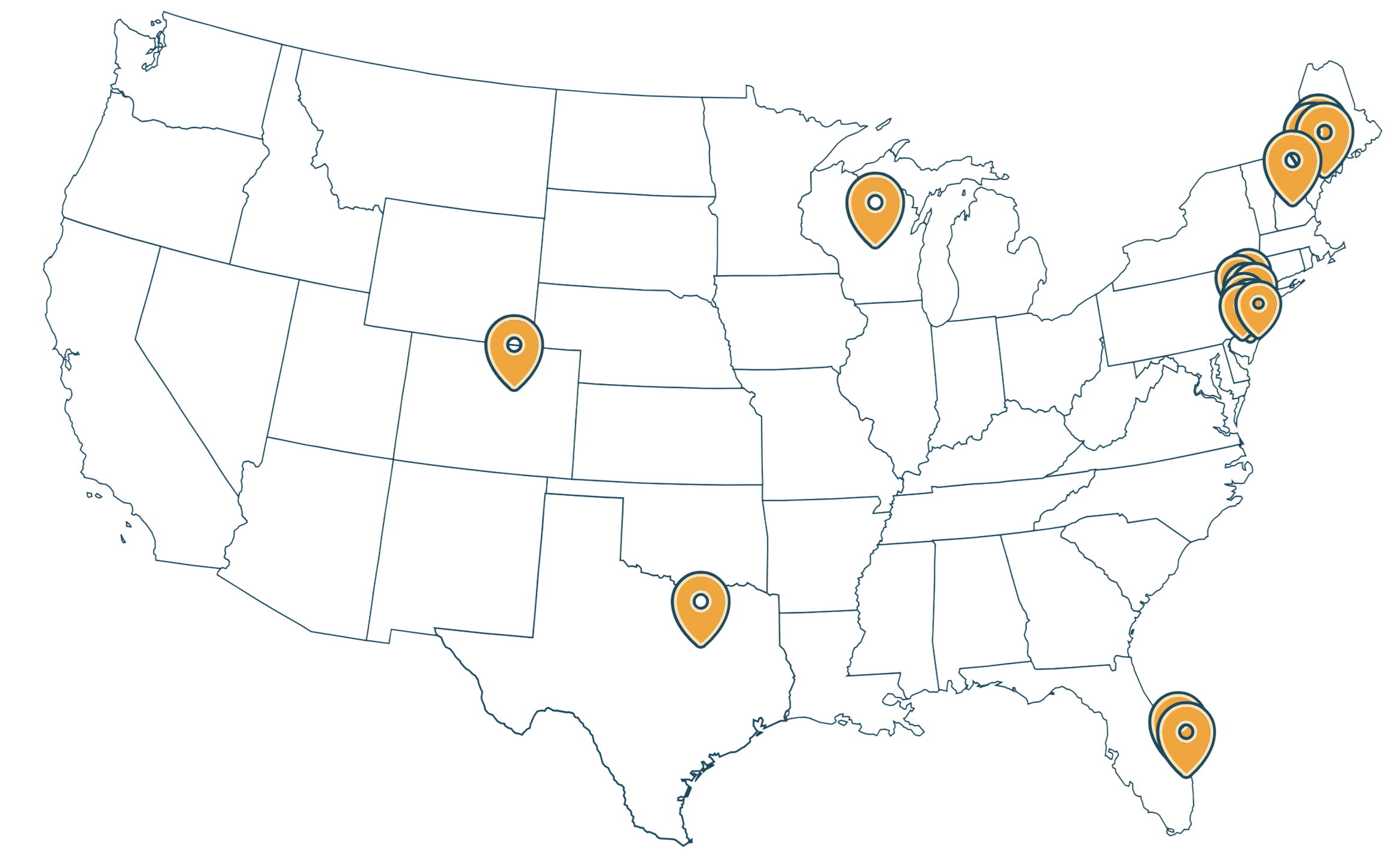
- Oregon: Oregon has legalized psilocybin for therapeutic use under supervision, distinct from retail sales.
- Colorado: Colorado has decriminalized the possession and personal use of certain natural psychedelics for adults.
- Municipal decriminalization: Cities like Oakland and Washington, D.C., have passed measures effectively decriminalizing natural psychedelics.
Despite these changes, psilocybin microdosing remains illegal under federal law, and interstate travel with these substances carries severe penalties.
Microdosing And Mental Health Disorders
Today’s interest in psychedelics stems from their potential to treat conditions where traditional pharmaceuticals have failed. While “macrodoses” in therapy have shown promise for depression and PTSD, data on microdosing is weaker.
Depression And Anxiety
Many individuals microdose to manage depression and anxiety. Observational studies indicate that people who microdose report lower levels of stress. However, recent placebo-controlled studies suggest that expectation plays a significant role. When participants believe they are taking a microdose, even if it is a placebo, they often report feeling better. This does not mean the benefits are nonexistent, but that the ritual and intention may be as powerful as the low dose itself.
On the other hand, for someone with severe anxiety, the stimulating nature of psilocybin can sometimes exacerbate symptoms.
Microdosing Mushrooms In Addiction Treatment
Research on addiction treatment for alcohol, nicotine, and other substances is exploring microdosing psilocybin as a tool.
- Breaking patterns: The theory is that psilocybin increases neuroplasticity, helping the brain reorganize and form new connections.
- Smoking cessation: High-dose therapy has shown success in helping people quit smoking, prompting curiosity about microdosing.
- Alcohol use disorder: Some individuals report that microdosing reduces their urge to drink alcohol.
It’s important to note that most clinical success stories regarding addiction involve high-dose, professionally monitored sessions rather than unmonitored microdosing.
Can You Become Addicted To Microdosing Mushrooms?
According to NIDA, psilocybin is not considered physically addictive, as the body does not develop a physical dependence resulting in withdrawal symptoms. Furthermore, rapid tolerance makes it difficult to abuse the drug frequently.
On the other hand, psychological dependence is possible. A person might feel they cannot be creative or social without their microdose. This is a process of addiction. If microdosing becomes a crutch that prevents the development of sober coping mechanisms, it may be problematic.
When To Seek Professional Help
Microdosing is often pursued as self-help, but it is not a replacement for professional care. There are clear signs when self-medication may be masking deeper issues. If your anxiety or depression worsens, it is time to step back.
Experiencing paranoia or detachment from reality is a sign that psychedelic use may be triggering old issues.
Finding Balance And Support
Dealing with mental health challenges is difficult, and the possibility of easy and natural solutions is understandable. However, self-medicating with unregulated substances carries risks.
True recovery often requires a multifaceted approach beyond chemical interventions. Keep in mind that microdosing is meant mainly as an enhancement to one’s state of mind, not necessarily as a treatment for mental health problems.
If you or a loved one is struggling with substance use or persistent mental health challenges, you do not have to navigate them alone. Professional guidance can provide safe, evidence-based therapies to help you regain control. Reach out to a mental health professional to discuss your options for a healthier future, or visit our rehab directory today for further explore inpatient and outpatient support.